
The algorithm that priced your Oasis ticket now runs the NHS
Everyone screamed about Oasis tickets and an algorithm that, turns out, might not have even been switched on. Meanwhile the real version of that machine is quietly deciding how many nurses are on shift this winter.

The tickets that maybe weren't surge-priced at all
Quick recap for anyone who managed to dodge the whole saga: fans queued for hours to buy Oasis reunion tickets, watched prices apparently climb the longer they waited, and walked away convinced an algorithm had just done the maths on exactly how desperate they were. Some reported price hikes of up to 2.5 times standard ticket value. The Competition and Markets Authority launched a formal investigation. Cue outrage, screenshots, and a national conversation about robots picking our pockets mid-queue.
Then, in September 2025, the CMA closed its investigation and found no evidence dynamic pricing was actually used in the Oasis sale at all. Ticketmaster made changes anyway, and the anger hasn't gone anywhere, because the fear was never really about one gig. It was about not knowing who, or what, is setting the price on the other side of the screen.

Coca-Cola tried this in 1999 (and got dragged for it)
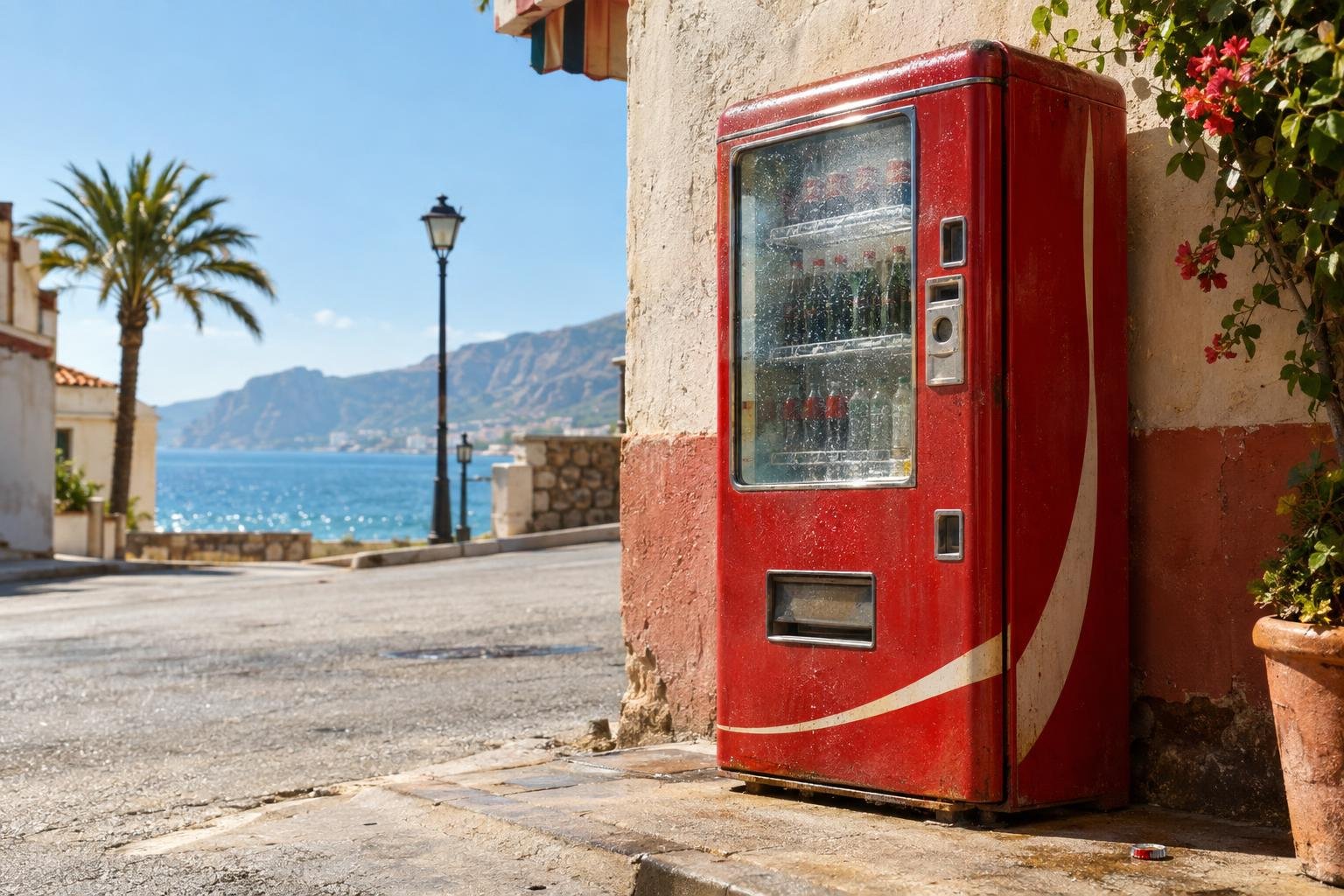
This isn't a new anxiety wearing a new hoodie. In October 1999, Coca-Cola's then chairman Doug Ivester told a journalist the company was testing vending machines that could sense hot weather and raise the price of a can automatically. His reasoning was almost sweetly honest: "it is fair that it should be more expensive" when demand for a cold drink goes up, adding that "the machine will simply make this process automatic."
The backlash was instant and global. Reactions ranged from enthusiastic to sanctimonious, and one rival executive quipped that the next logical step would be a machine that X-rays your pockets to check how much change you're carrying before deciding what to charge you. The plan quietly died under the backlash.
The vending machine never got built. The idea never went away. It just needed better PR and a less honest name — "dynamic pricing" travels a lot further than "the machine that punishes you for being thirsty."
The same machine, now running your local hospital
Here's the part that doesn't get talked about at the pub: the exact same predict-and-respond logic — read the demand, adjust the response in real time — is quietly running inside the NHS. An A&E demand forecasting tool, part of the government's AI exemplars programme, is used by 170 active users a month across 50 NHS organisations. It's constantly trained on Met Office temperature forecasts, hospital admission figures and weekly demand patterns, helping trusts plan staffing before winter pressures hit, not after the corridors fill up.
A University of Hertfordshire-led project applies the same forecasting logic to help NHS and council managers make better resourcing decisions, with genuine cost efficiencies to show for it. In May 2026, NHS Shared Business Services launched a £900 million "Healthcare AI Solutions" framework, giving NHS organisations a national procurement route straight to this kind of predictive tool. This isn't a pilot tucked away in a lab somewhere. It's infrastructure now, and it's spreading fast.
Meanwhile, FIFA borrowed the concert industry's playbook for 2026 World Cup ticketing. Prices won't be set entirely by algorithm, but human judgement layered on top still means two fans in similar seats could end up paying vastly different amounts. The Oasis logic didn't get shut down by the backlash. It got exported.

The floor, the ceiling, and who's actually watching
Let's be honest about both ends of this, because hype helps nobody and neither does blind fear.
The ceiling is genuinely good. Forecasting A&E demand before it spikes means better staffing, fewer corridor waits, and money spent where it's actually needed rather than firefighting after the fact. That's not marketing spin, that's just better maths applied earlier in the day.
The floor is that accountability hasn't caught up in either direction. Under the Digital Markets, Competition and Consumers Act 2024, the CMA can now fine a company up to £300,000 or 10% of its global turnover for unfair consumer pricing practices — real teeth, recently used to formally investigate a household name over concert tickets. Nobody's built the equivalent scrutiny for the algorithm quietly deciding how many nurses are rostered on a Tuesday night in February. One of these systems answers to a regulator. The other mostly answers to a procurement framework and good intentions.
That gap matters more the bigger the stakes get, and hospital staffing is about as high-stakes as it gets.

Three moves worth making this week
If you run a business, manage a team, or sit anywhere near a public service using this kind of tool, here's where to actually start:
- Ask what the model is trained on. Stale data or the wrong assumptions cause more real-world damage than the algorithm itself ever will.
- Find the human who's accountable when the forecast is wrong — and make sure that's decided before it goes wrong, not scrambled together after the fact.
- Write down what "fair" means for your organisation, in plain English. If you can't explain a pricing or resourcing decision to the person it affects, you don't have a policy, you have a hope.
The algorithm you were shouting at outside a gig might not have even existed. The one deciding your winter A&E staffing levels very much does — and it's worth knowing which is which before you decide who to trust.
If you want help figuring out where predictive AI is already shaping decisions in your organisation, and whether anyone's actually watching it, that's exactly the kind of untangling Anchor Lotus Consulting does for businesses and public bodies alike.