
Self-Checkout Rage Is Back — Should the NHS Be Worried?
Supermarkets are quietly binning self-checkouts while the NHS rolls out AI triage using the exact same logic. One lets you walk off with your beans. The other doesn't let you walk off at all.
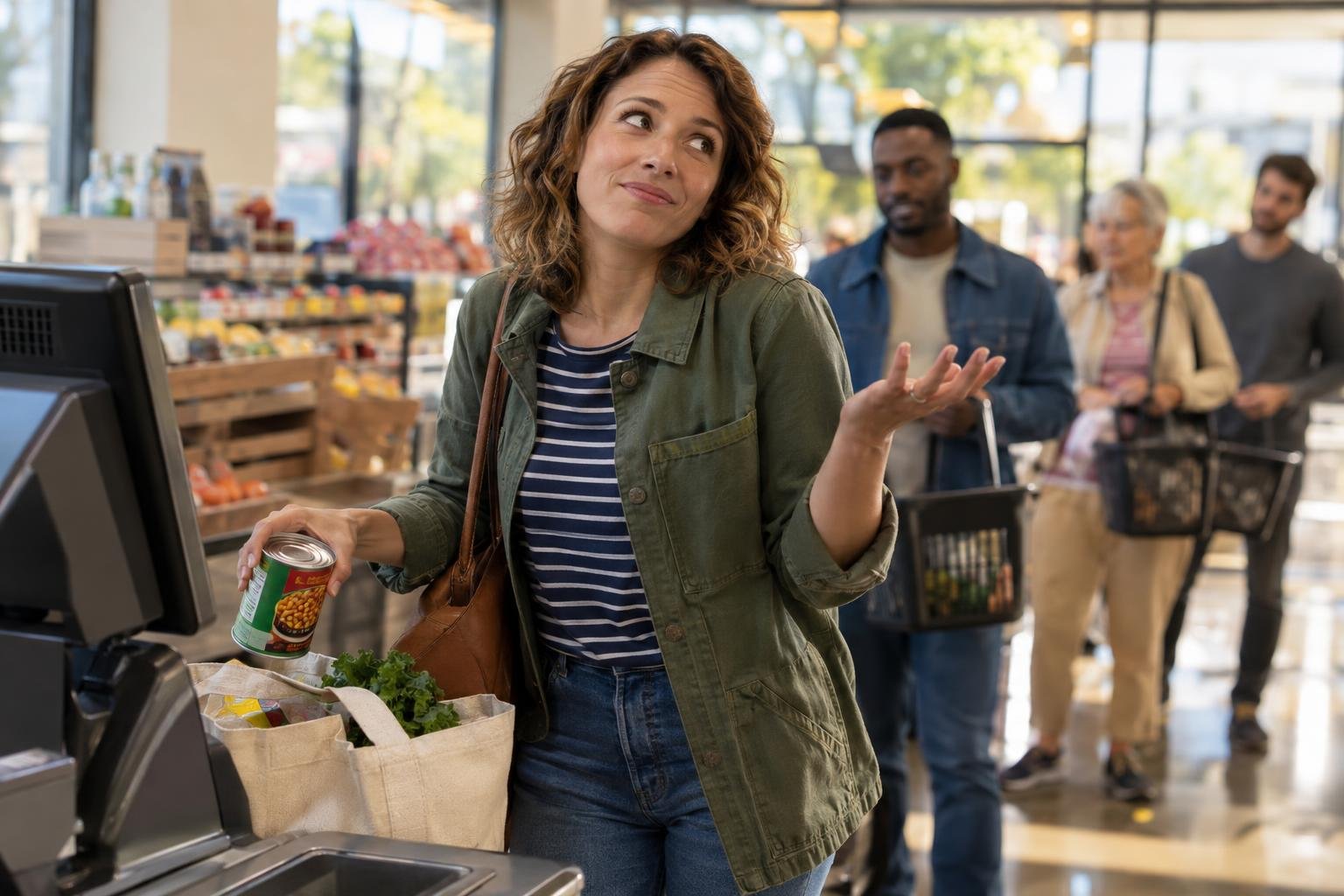
The unexpected item that started it all
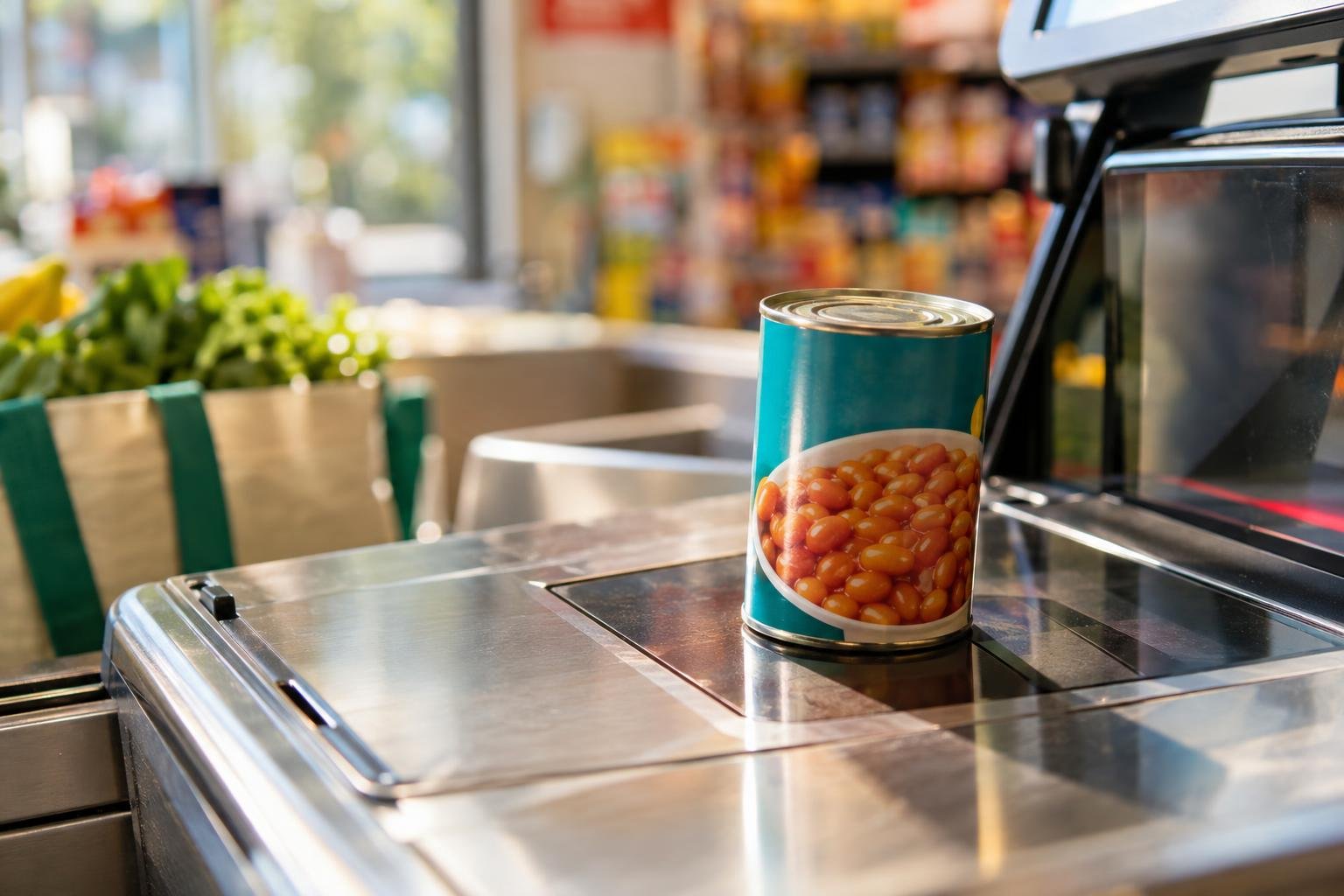
You know the moment. You're stood at the self-checkout, shopping bagged, dignity intact, and then it happens: "Unexpected item in the bagging area." You didn't put an unexpected item anywhere. You put a tin of beans exactly where it told you to. And yet here you are, apologising to a machine that will never apologise back.
Turns out the whole country's had enough of this particular flavour of low-level rage, because supermarkets are quietly pulling the machines out. Booths has become the first UK supermarket chain to ditch self-service checkouts entirely. Its managing director told BBC Radio Lancashire the machines "can be slow, they can be unreliable, they're obviously impersonal" — and that Booths is "going for actual intelligence" over artificial intelligence. Target has slapped a hard 10-item limit on its self-checkout lanes to stop the chaos. And recent data suggests over 60% of British shoppers would rather queue for a real person than wrestle a machine.
A hundred and ten years of the same argument
Here's the bit that makes this properly interesting: self-service was once the disruptive growth story in retail, not the thing everyone's fed up with.
In September 1916, a man called Clarence Saunders opened a grocery shop in Memphis called Piggly Wiggly. Before that, you told a clerk what you wanted and they fetched it for you from behind a counter. Saunders flipped it: customers walked the aisles themselves, picked their own goods off open shelves, and paid at a till on the way out. It cut out what was described at the time as "a small army of clerks" and slashed running costs. It was radical. It was the future.
A hundred and ten years later, we've found the edge of that idea. The savings from cutting people out only hold up until the cost of not having them shows up somewhere else — in theft, in slow service, in customers who simply walk out annoyed. Shopify UK's own analysis of self-checkout in 2026 points to exactly this: retailers are moving to a hybrid model, self-service for quick trips, staffed lanes for bigger baskets, because "shrink" (the polite retail word for theft) and staff time spent babysitting machines have eaten into the savings self-checkout was supposed to deliver.

Same design, much higher stakes
Here's why none of this should stay a supermarket story. The exact same design principle — kiosk instead of person, AI instead of receptionist — is now the working template for the NHS.
AI triage software is rolling out across the NHS App, designed to direct patients to the most suitable service, with a target of reaching every app user by April 2028. Smart Triage AI is already live in over 200 GP practices and primary care networks, covering around three million patients, and it's contributing to a target for 95% of post-triage appointments to be bookable via the app by 2028/29. An early trial in Sussex cut phone queuing for appointments by almost 29%, easing the notorious 8am scramble while keeping patient satisfaction up.
That's a genuinely good number, and it matters. Nobody enjoys ringing a GP surgery at eight in the morning and getting the engaged tone forty times in a row. If AI can take that queue and actually shorten it, that's growth worth having.
The floor as well as the ceiling
But let's be honest about where the ceiling is, because a patient is not a shopper with an unexpected item in their basket.
A shopper who gets frustrated at a till walks off and buys their beans elsewhere. A patient who gets stuck in an AI triage loop, confused or scared, doesn't have that option — they just don't get seen. That's the real cost of getting this wrong, and it's a much higher one than a lost basket of shopping.
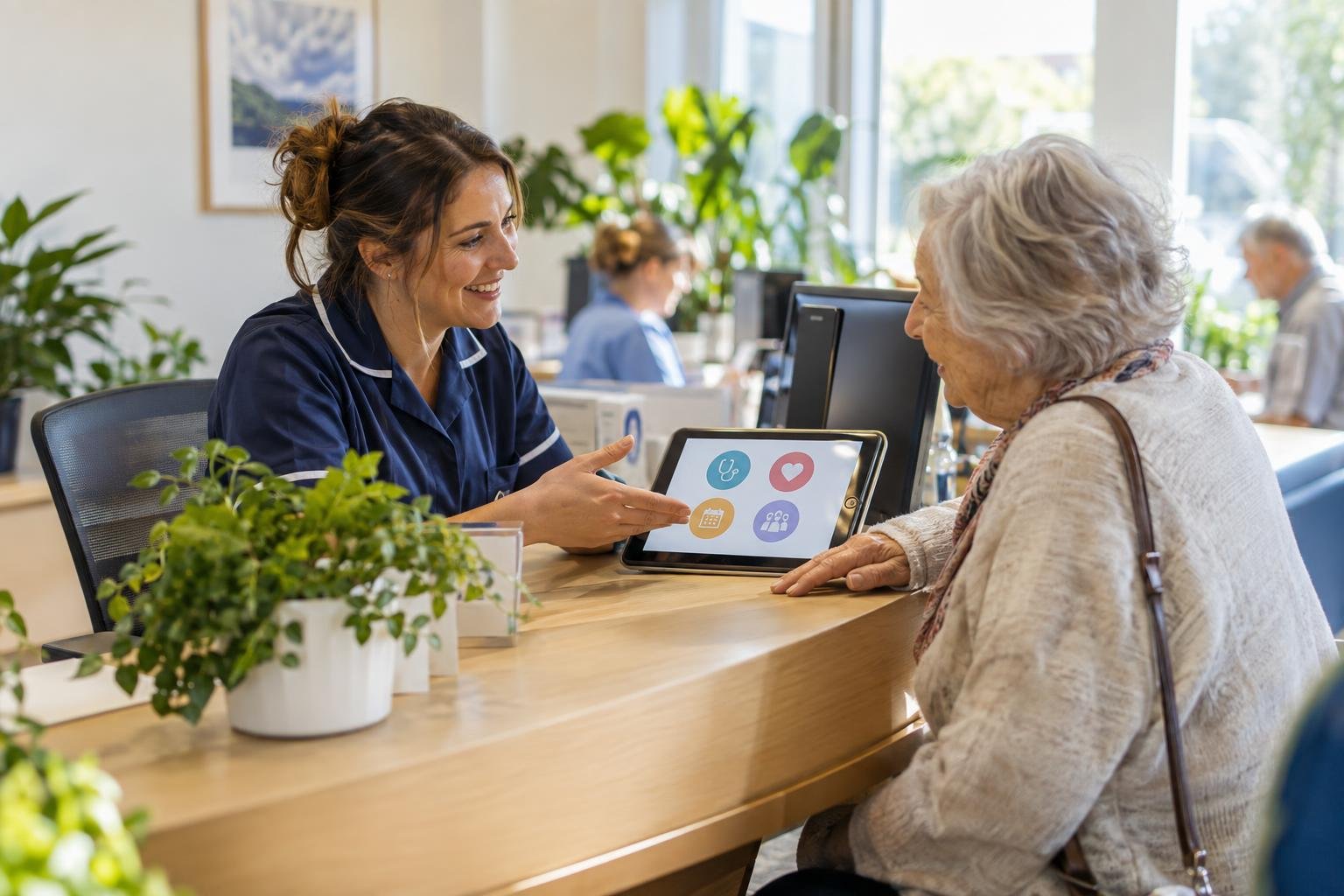
The systems doing this well seem to understand that difference. St Paul's Surgery in Winchester built its AI receptionist to detect signs of frustration or confusion in a caller's voice and automatically transfer them to a human. Patients can simply say "I would like to speak to a human," and the system listens and acts on it. That's not AI replacing the receptionist. That's AI knowing exactly when to step aside and let the receptionist do her actual job.
That's the difference between efficiency that quietly costs you trust, and efficiency that keeps it.

Three things to actually take from this
Whether you're running a business, working in one, or trying to make an AI project land inside a public service, the supermarket lesson is worth stealing before you make the supermarket mistake:
- Build the exit before you build the entrance. Decide, from day one, exactly how and when someone can reach a human — and make it one clear sentence, not a maze of menus.
- Add up the whole cost, not just the headline saving. Self-checkout "saved" on wages and quietly lost it in theft and slower service. Any AI rollout needs the same honest accounting: what does it cost once you count the frustration, the drop-offs, the people who give up?
- Match the tool to the task, not the task to the tool. Quick, simple, low-stakes jobs suit a machine fine. Complicated, emotional or high-stakes ones need a person properly in the loop, not parked on hold as a backup plan.
Supermarkets spent the best part of two decades teaching us not to trust the till. The NHS has a genuine chance to build the version people actually trust — but only if it remembers the person on the other end is a patient, not a basket.
If you're weighing up where AI genuinely helps your business or service, and where it needs a human safety net built in from the start, that's exactly the kind of practical, no-hype work Anchor Lotus Consulting does with organisations of every size — get in touch and let's work out which is which for you.
Sources
- Supermarkets Are Removing Self Checkout Lanes This Year — Here Is Why
- Self-Checkout Pros, Cons, and Costs in 2026 — Shopify UK
- This UK supermarket chain is the first to ditch self-service checkouts — Time Out
- NHS App to Use AI to Decide Which Service Suits Patients Best — Contemporary Health
- AI tool allows a million patients to book appointments via NHS App — Digital Health
- NHS fast track AI rollout — Open Access Government
- Improving Access to NHS Services — St Paul's Surgery, Winchester
- Inside a Piggly Wiggly grocery store, 1918 — Click Americana