The Black Parade turns 20, and so does the price tag
The Black Parade turns 20 and somehow it's being sold back to you in a dozen colourways. Here's what a $519 eBay listing can teach you about knowing your own numbers.
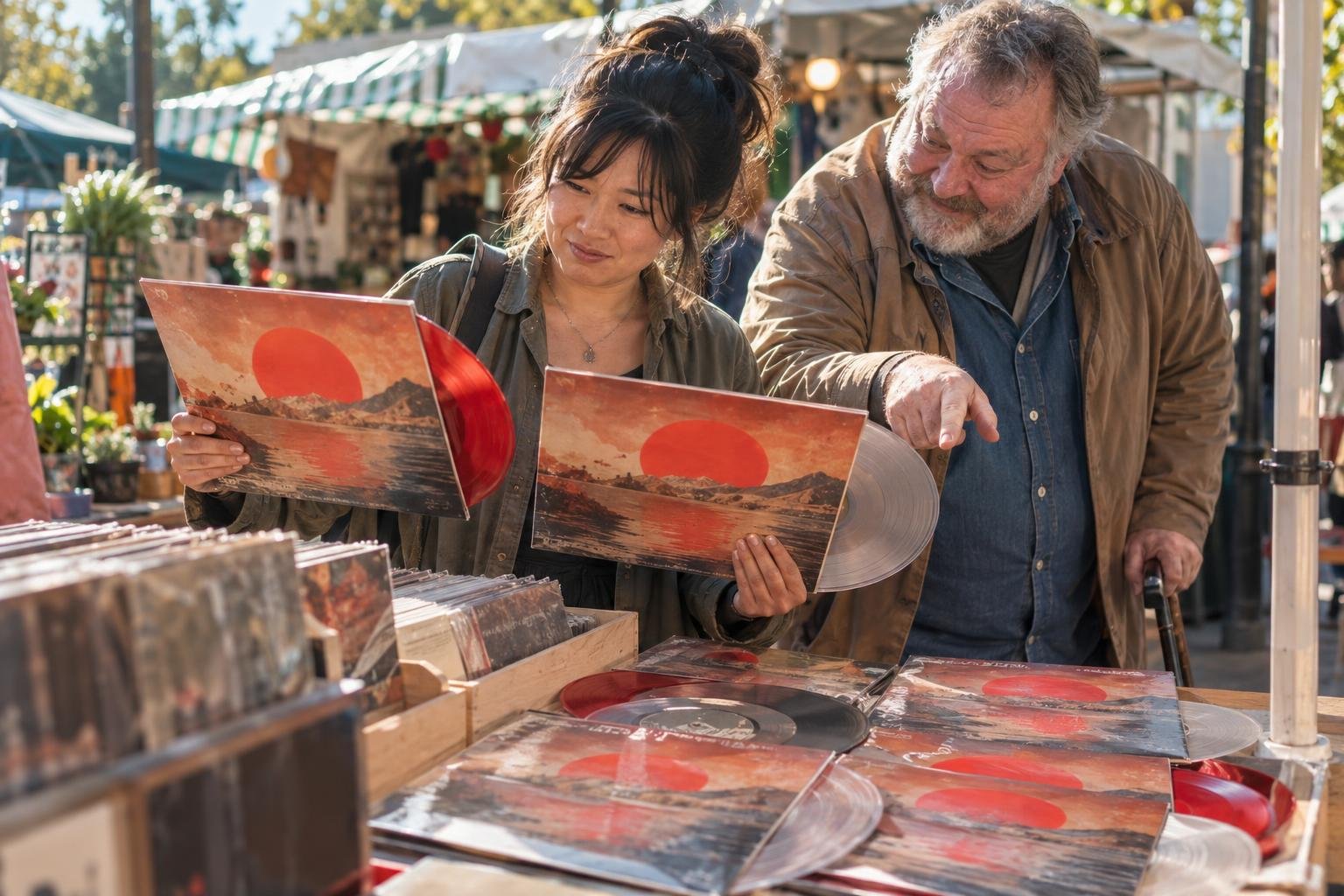
Someone is selling a “signed” 20th-anniversary Black Parade vinyl for $519, presale, Best Offer welcome. In October 2006, you could buy the entire album, unsigned and in full, on CD, for about a tenner.
(It is, for the avoidance of doubt, the same fifteen songs.)
My Chemical Romance's third album turns 20 on 23 October 2026. There's a reissue, sold-out anniversary shows at Wembley Stadium, and a tie-in event at the Hollywood Bowl. Anyone who bought the original on a Saturday-job wage in 2006 is now being offered the chance to buy it again, in several new colours, at several new prices.
The maths on the merch table
The official store's own pricing runs from $27.98 for the Concrete Grey Vinyl LP up to $124.98 for the “One Step Audiophile Edition” 180g double vinyl, according to mychemicalromance.com in September 2026. That is multiple different ways to own the same track listing, each one marketed as the definitive pressing, right up until the next one arrives.
Then there's the resale market, where a 20th-anniversary red vinyl listed as “signed” was going presale for $519 or Best Offer on eBay in early October 2026. Whether it sells at that price is a different question. That it's asked for at that price tells you everything about what nostalgia is currently worth to a pressing plant with a limited-run sticker.
The same trick, in better packaging
This is not a new scheme. Through the 1990s and into the 2000s, record labels reissued CDs with one or two “bonus tracks” bolted on and sold them again to the same fans who already owned the original. It became such a standing joke in the music press that nobody bothered pretending it was about the music. It was about the back catalogue, and the back catalogue doesn't need writing, just repackaging.
Multi-colourway vinyl is the same model with better design. Different sleeve, different vinyl colour, same fifteen songs, sold again to people who already own it once, or twice. The format changed. The business model didn't move an inch.

Who wins, and who's paying for the nostalgia
Here's the detail that actually separates hype from reality. The band's Wembley Stadium shows are sold out and genuinely them. Meanwhile the “Emo Night Tour” — DJs playing the songs, not the band itself — is selling tickets starting at $33, averaging $22, according to Vivid Seats' own pricing data from September 2026. On resale, some individual dates climb a long way past that: one Kansas City listing at $47, other markets quoted from $44 up to $216.
Put plainly: a tribute night with no original member on stage is, on the resale circuit, quietly outselling some original-act tours. The people who win here are the label, the pressing plant, and whoever books the DJ-only anniversary tour. The people who pay are fans chasing a feeling, one limited pressing or one resale ticket at a time.
The typical result, next to the best case
The best case, the one that gets circulated as proof it's all worth it, is the $519 presale listing. The typical case is a fan who owns one or two of the official store's more reasonably priced pressings, somewhere between $27.98 and $60 or so, bought because the colour looked good and the anniversary felt like a moment worth marking. That is a perfectly normal, perfectly human thing to do. It is also worth knowing, before doing it five times over, that most reissue vinyl does not resell anywhere near its most eye-catching listing price. An asking price on eBay is a seller's claim, not a guaranteed sale.
What this is actually teaching you about money
Nostalgia isn't free. It's a subscription you keep renewing, in a different colourway, every time an anniversary comes round. There is nothing wrong with paying it, as long as you know that's what you're doing.
The useful skill here isn't resisting the reissue. It's running the numbers on it the way you'd run them on any other purchase, or any other part of a small business: know what you're spending, know what it's actually worth if you ever need to sell it, and don't confuse a listing price with a sale price.
Three things worth doing, whichever side of the merch table you're on
- If you're buying limited editions: set the budget before you see the colourway, not after. The “just one more variant” decision is easier to make calmly in advance than in the moment a pre-order goes live.
- If you're thinking of collectibles as an investment: check what similar items have actually resold for, not what one optimistic listing is asking. A presale price and a completed sale are two very different numbers.
- If you run a business selling physical or digital products: repackaging what you already have is a legitimate way to generate revenue without constantly creating something new, but only if you're honest with yourself about real demand rather than hoped-for hype.
That last point applies well beyond vinyl. Knowing your actual numbers — what something costs to make, what it really sells for, what your stock is genuinely worth — is the difference between a business that looks busy and a business that's profitable.
If that's the bit you keep putting off, Anchor Lotus Consulting is an AI implementation and business improvement consultancy, for exactly that kind of discipline, whatever you sell.
Nobody needs a sixth vinyl of the same fifteen songs. But everybody could do with knowing their own numbers before they buy one.