
The £110 hair-tie advent calendar and what it teaches every business
Twelve doors, one comb that cannot comb hair, and a £110 price tag. The Skims advent calendar row is funny until you notice what it teaches about pricing honesty, listening at scale, and fixing problems before they go viral.
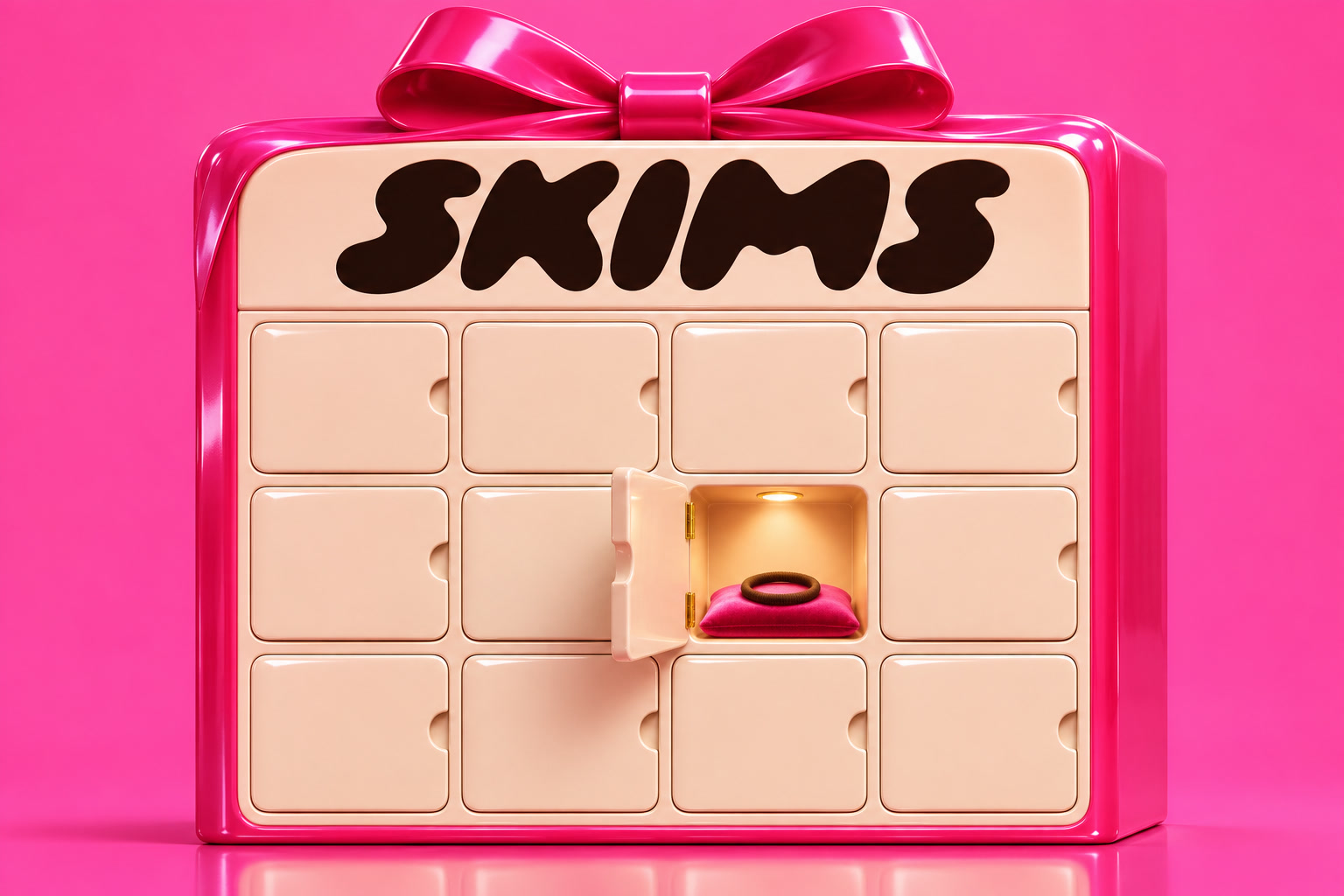
Twelve doors, one comb that does not comb hair
Here is the sentence that stopped the scroll this week: a $148 advent calendar, about £110, with twelve doors, and day nine was a comb on a keychain that, according to CBC, cannot actually comb hair. Not a bad comb. A comb that does not function as a comb.
Skims, the shapewear and clothing brand co-founded by Kim Kardashian and valued at $5bn, sold a 12-day Accessories Advent Calendar that went viral between 5 and 9 November 2026. Buyers filmed themselves opening it door by door. Inside: hair ties, logo hair clips, a squishy ornament, a furry compact mirror keychain, and that comb. No clothing. One video had more than 47.7 million views by 7 November; the biggest, by 9 November, was approaching 65 million (CBC, Metro). The BBC reports people filming their own sofa cushions and joking they had assembled a free Skims calendar by accident.
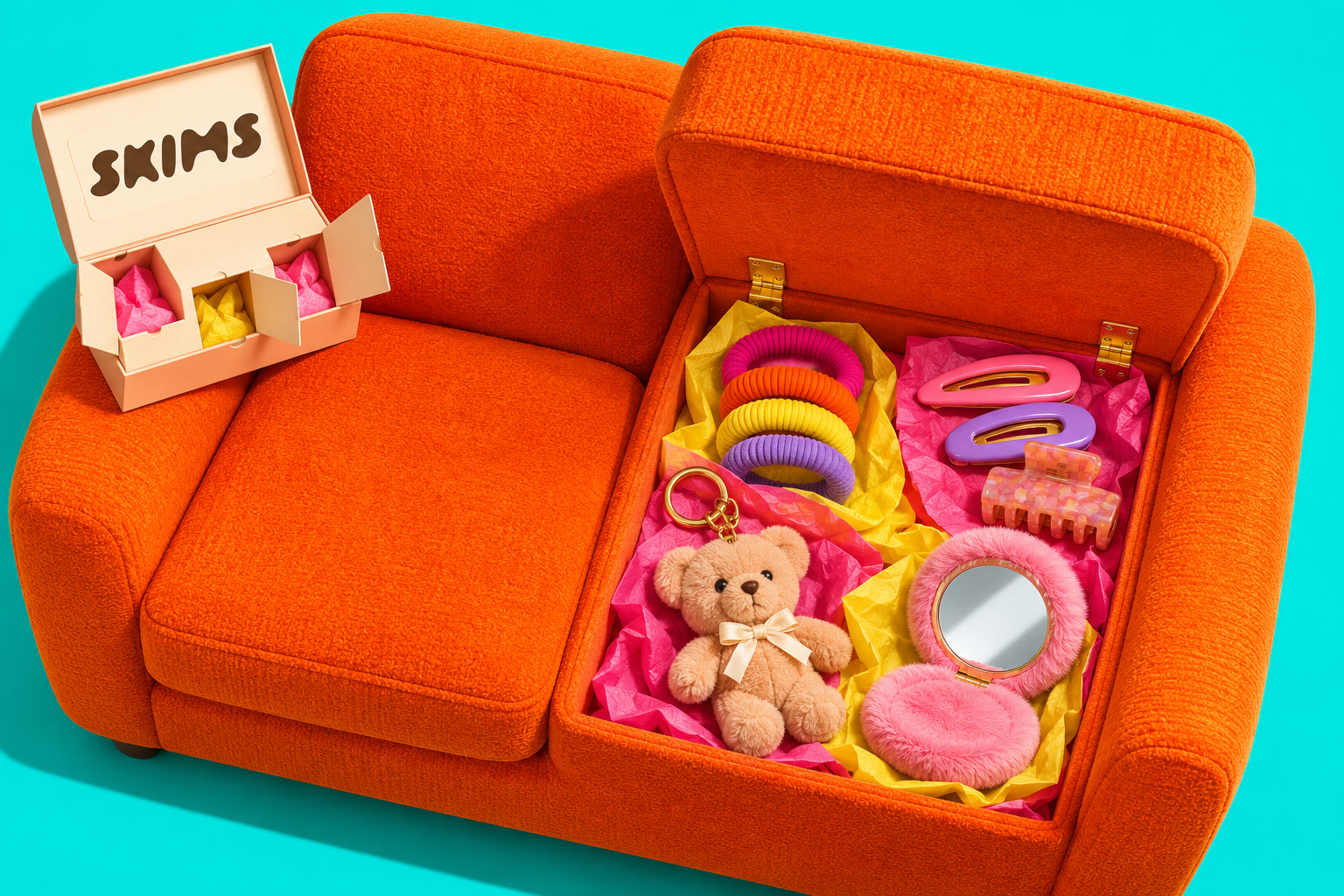
The comedy and the small print
The funny part writes itself. The serious part is quieter: the contents were listed on the Skims web page the whole time, under a tab called Fit & Fabric, unpictured, and BuzzFeed reports many buyers seem to have missed it. Nobody has put an official value on the box; one commenter guessed around $20, but that is a guess, not a fact.
To its credit, Skims moved fast. In a statement shared with Today.com on 8 November, it said it had heard the feedback, that for some people the calendar did not meet expectations, and that it had personally contacted every customer who bought one, offering each a full refund or a Skims credit, without buyers needing to complain first (The Independent). According to screenshots reported by BuzzFeed and Fortune, a cash refund means posting the box back; keeping it gets store credit of about $150.
Then a reporter asked about the haters
On 10 November, TMZ published a 41-second clip of Emma Grede, Skims founding partner and chief product officer, out in New York. Asked by the TMZ reporter, in the reporter's own words, what she would say to the haters, she replied, 'I don't worry about the haters.' She did not post this herself, and she did not call customers haters; the reporter used that word first, and TMZ posted the clip to its own TikTok.
BuzzFeed reports the clip had 1.3 million views on TMZ's TikTok by 12 November. Some viewers read her answer as being about paying customers and called it unprofessional. Others defended her, pointing out the question was about haters, not buyers. Both readings exist; no major outlet has confirmed which was meant, and as of 16 November there has been no further comment from her or from Kim Kardashian.

We have watched this film before
In December 2021, Chanel sold an $825 advent calendar for the 100th anniversary of its No.5 perfume. Buyers found stickers, magnets, a string bracelet and, in one case, an empty dust bag, alongside a mini lipstick and a small perfume. One unboxing video passed 15 million views. Chanel said it was sorry the calendar may have disappointed some people, but called it a collector's item whose value could not be measured by its contents alone. No refund offer was reported at the time.
Five years on, the views are roughly four times higher and the response is faster: Skims offered money back within days, without being asked. Same row, bigger numbers, better recovery. That is progress, even if the product itself raised the same old question.
Would you pay this for this?
This is Jade's opinion, not inside knowledge of how Skims signed this off, but the whole episode seems to turn on one plain question nobody asked loudly enough beforehand: would I pay this for this? A shop that states its value upfront earns trust before the sale. The BBC was told Liberty does exactly that with its £285 calendar, stating openly that it holds over £1,000 of contents. Skims listed its contents in the small print and let buyers do the sum live, on camera, to an audience in the tens of millions.

Listening at scale is where AI actually helps
No person can read a weekend's worth of comments on a viral unboxing. Software can. Starlight Analytics, quoted by Fortune, tracked negative social posts about Skims and the calendar rising from 13% of mentions on 6 November to 76% on 11 November, with negative posts outnumbering positive by roughly eight to one. That is sentiment monitoring: an AI tool reading reviews, comments and emails and sorting the happy from the unhappy, every day, not just when something explodes. A small business can run the same check on a fraction of the volume and catch a repeat complaint long before it reaches 65 million views.
The recovery itself needed joined-up records. Contacting every buyer within days, and paying each one back, only works if a business knows who bought, how to reach them, and how to process a refund without a queue. That is operations, not goodwill.

The typical figure beside the headline one
Keep the $148 headline honest by putting it next to the typical spend. Ipsos polled 1,036 adults in Great Britain in September 2025 and found 72% of Britons buy an advent calendar, 55% of buyers plan to spend £10 or less, and only 8% plan to spend more than £100. The Skims calendar sits in a tiny sliver of the market, not the norm; most people are still budgeting for chocolate, not keychains.
Three things worth doing
Whether you are buying, working, or running the business, three things from this whole saga are worth keeping:
- Before anything goes on sale, run the honest test: put the real product next to its price and ask three people who had no hand in making it, would I pay this for this? As a shopper, read what is actually inside before you buy, the way the BBC's shopper now does with every calendar she buys.
- State the value before the customer has to guess it, and set up one simple AI check that reads your reviews, comments and emails daily, flagging the complaint that keeps coming back rather than waiting for it to go viral.
- Keep one clean, accessible list of who bought what and how to reach them, so if something goes wrong, you can apologise and offer money back to everyone within days, with every member of staff giving the same calm, honest answer.
The system and the sentence
The refund is a system problem, solvable with records and the right process. The tone of the apology is a human problem, and no software writes that sincerely on your behalf. Skims got the first part right quickly. The second part is still being argued about in the comments.
If your business has ever had to scramble to find out who bought what, or has watched one bad week of feedback pile up with nobody reading it properly, that is a systems problem worth sorting before it becomes a headline. Anchor Lotus Consulting is an AI implementation and business improvement consultancy.
Sources
- BBC News - Skims advent calendar backlash
- BBC News - Skims follow-up, 15 November
- CBC News - Skims advent calendar backlash
- The Independent - Skims advent calendar unboxing
- The Independent - was it a marketing stunt?
- Today.com - Skims statement
- FashionUnited - Skims statement in full
- Fortune - Skims advent calendar flop and store credit
- TMZ - Emma Grede unbothered by backlash
- Yahoo/BuzzFeed - reaction to Emma Grede clip
- Ipsos UK - advent calendar spending habits
- FashionUnited - Chanel advent calendar response, 2021