The Song That Flopped First, Then Sold A Million Copies
Eiffel65 sold a few hundred copies before they sold a million. The gap between those two numbers says more about risk, royalties and waiting than any viral success story usually admits.
Two hundred copies and a basement in Italy
In October 1998, a dance track called "Blue (Da Ba Dee)" came out in Italy on a label called Skooby Records. It sold, by most accounts, somewhere in the low hundreds of copies. Nobody played it on the radio. Nobody danced to it in clubs. Nobody, reasonably, expected to hear it again. (Parade, 18 October 2026)
A year later, Eiffel65's lead single from their album Europop was the second best-selling single in Britain, beaten only by Britney Spears' debut, "...Baby One More Time." It sold 1.07 million copies in the UK alone — the last single of the entire 20th century to pass the million mark. (h2g2)
That gap, between a few hundred sales in a basement and over a million in Britain, is the whole story. It is also, quietly, the story of every creator uploading something today and hoping an algorithm decides to care.
The chart record nobody plans for
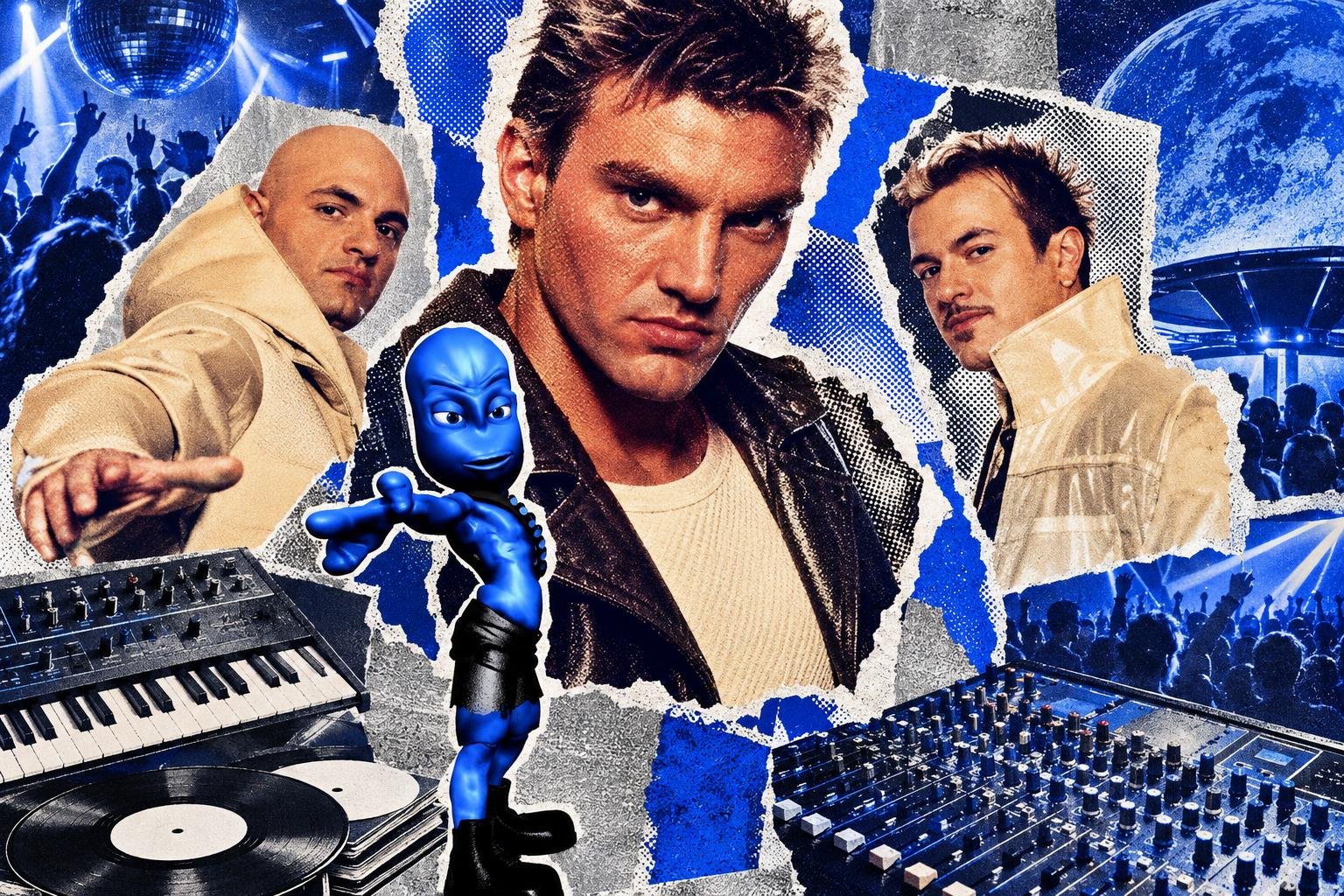
The detail that makes this song's history properly strange is how it got into Britain at all. It wasn't released here first. Holidaymakers heard it abroad, liked it, and brought it home as an import. Word of mouth and suitcases did what a marketing budget usually does.
The song climbed into the UK top 40 purely on import sales — only the third single in chart history to manage that. Once it was properly released, it knocked the Vengaboys' "We're Going To Ibiza" off the top of the charts and held number one for three weeks, until Christina Aguilera's debut single, "Genie In A Bottle," took over. (h2g2)
Twenty-three years later, a reworked version by David Guetta and Bebe Rexha sent it back to number one in the UK. The original flop had a second flop-to-hit arc built in, just in case the first one wasn't unlikely enough. (Official Charts)
Same gamble, different landlord
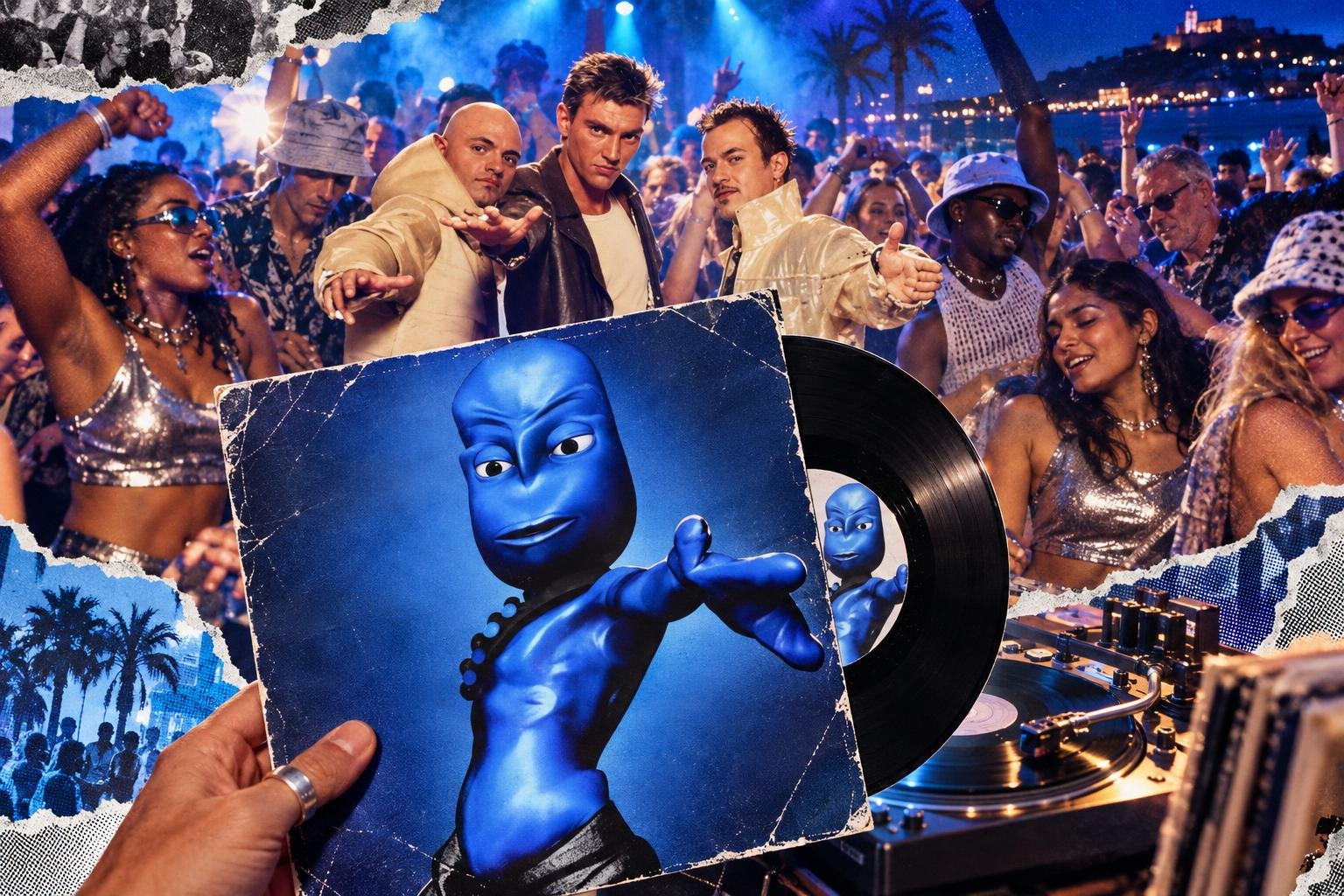
Here's what nobody says when they retell this as an inspiring "they never gave up" story: somebody else was taking the financial risk the whole time. A record label pressed the vinyl, stocked the imports, and absorbed the cost of a song that, for most of a year, looked like a write-off. The artist didn't need to fund the gamble. The label did.
Today, an independent musician doesn't need a label's gut feeling or a planeload of Brits coming back from Ibiza with a suitcase of imports. They need Spotify, DistroKid, and a few hundred thousand people scrolling at the right moment. The distribution cost has dropped close to zero. The risk hasn't disappeared, though — it's just moved. It now sits with the person making the track, spending months on something that might get noticed, might not, and either way still needs rent paying this month.
That's the honest, unglamorous update to the 1999 version of this story. The overnight hit still takes a year, or several, of nobody listening first. The only thing that's changed is who's paying for that year while they wait.
What a viral streaming moment actually pays
If "Blue (Da Ba Dee)" launched today instead of in 1998, the chart physics would look different, and so would the money. Spotify's average payout sits somewhere between $0.003 and $0.005 per stream (streamingcalculator.com, 2026). A million streams — genuinely viral by most people's standards — works out at roughly $3,000 to $5,000. Before tax. Before splitting with anyone else involved. For a track that might have taken months to write, record and release.
There is an upside, and it's a real one. An independent artist distributing their own music typically keeps 100% of that royalty pool, where a major label deal can take anywhere from 50% to 85% of it (theghostproduction.com — an industry estimate, not an official figure). Keeping all of a small number is better than keeping a third of a slightly bigger one. It still isn't, for most people doing it, a living. The typical streaming musician is not quietly living off royalties; they are doing this alongside something else that actually pays the bills, which is worth saying plainly rather than skipping past.
That's true of most "algorithm might notice you" businesses, not just music. The best case gets shared. The typical case is the one worth planning around.

Three things worth doing if your business depends on an algorithm's mood
Whether you're releasing music, selling on TikTok Shop, or building any business that leans on a platform's goodwill, the same three habits hold up.
- Plan around the typical number, not the headline one. Work out what a realistic month looks like before you start, using figures like the ones above rather than someone else's best week.
- Own what you can actually own. Your customer list, your email list, your masters, your direct relationship with the people who buy from you — none of that belongs to a platform's algorithm, and none of it disappears if the algorithm changes its mind.
- Treat virality as a bonus, not a plan. Build the unglamorous, repeatable part of the business — the systems, the fulfilment, the follow-up — so that if the algorithm does notice you, you're ready to handle it rather than overwhelmed by it.
Most businesses don't fail because the algorithm never showed up. They fail because it showed up on a Tuesday and the systems behind the scenes weren't built to cope with it. That's the unglamorous bit nobody puts in the viral story, and it's exactly the bit Anchor Lotus Consulting helps sort out — an AI implementation and business improvement consultancy, for the quiet months and the loud ones alike.