Sega's Shogun 2 Remaster: Who Was Checking the Work?
A beloved strategy game got a remaster, a backlash and a withdrawal within 48 hours. The real story isn't the bugs — it's who was supposed to be checking before it shipped.
A remaster that needed someone to look at it
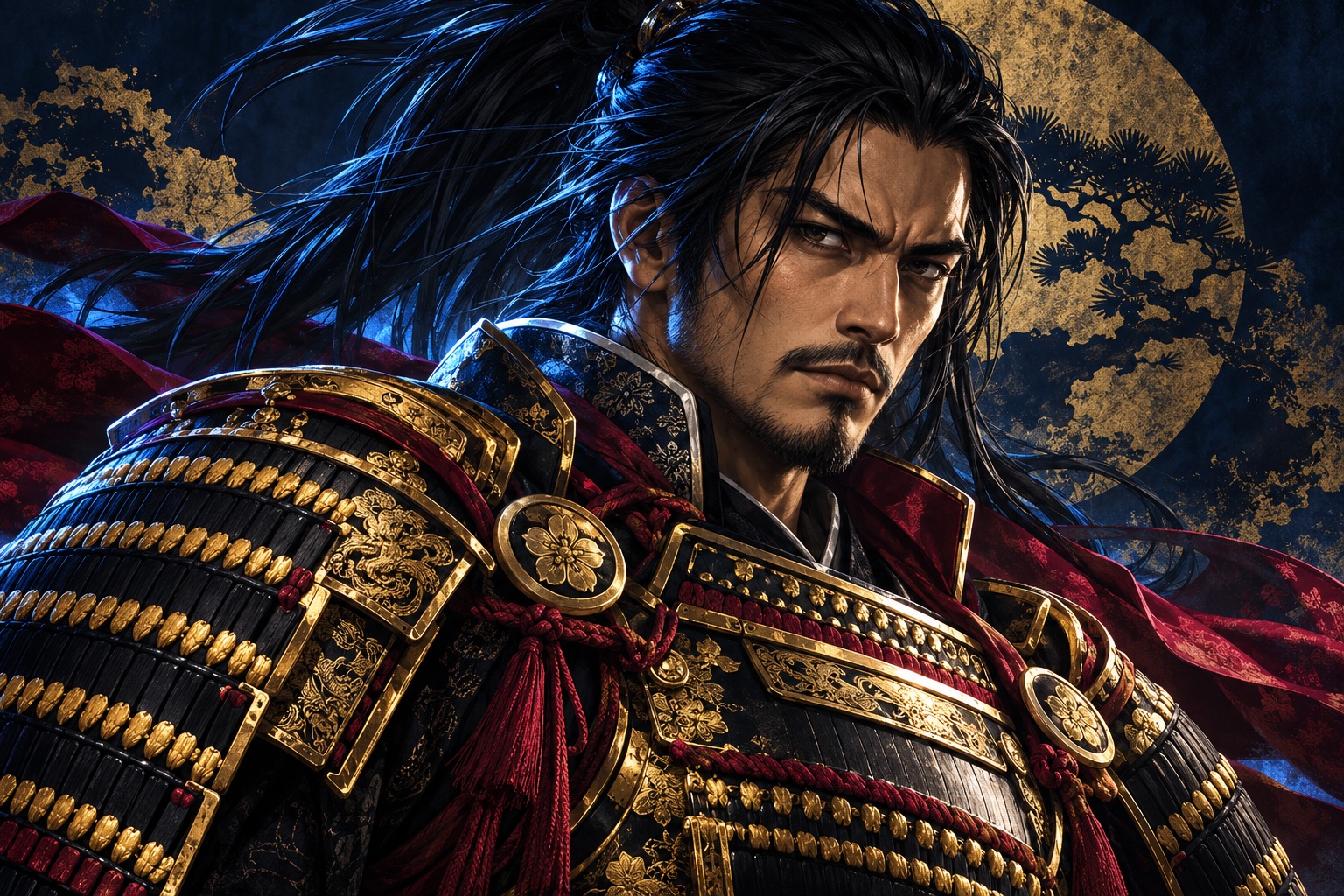
A samurai can survive quite a lot. Apparently, the final quality check was the difficult bit.
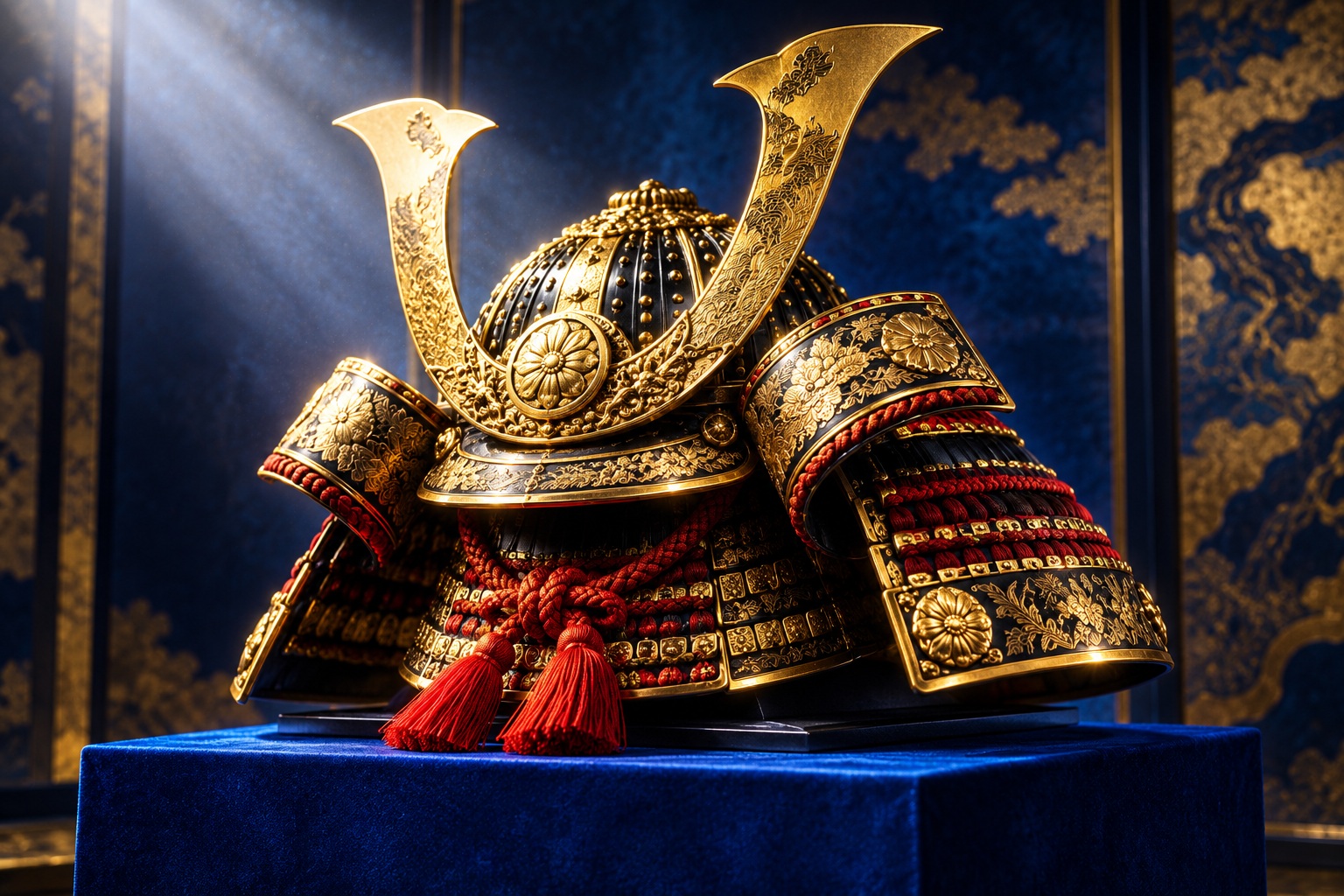
On 13 October, Total War: Shogun 2 – Complete Edition arrived with updated visuals and a familiar name. On 15 October, its publisher announced that it would temporarily remove the edition from sale and restore the original versions. That is two days between launch and announcing the retreat. Quite a brisk campaign.
The original Shogun 2 came out in 2011. Fifteen years later, people were being asked to pay for a new edition of something they already cared about. The announced full price was £34.99, €39.99 or $39.99, with a time-limited 75% loyalty discount for eligible existing owners. The roughly $10 upgrade people discussed was the discounted US price, not the price for everybody.
That distinction matters. So does what people receive for the money.
The brand on the box still owns the problem
Players raised concerns about the artwork, bugs and performance. But the most useful part of this story is the explanation that followed.
In an official update on 23 October, Creative Assembly said that it had not developed the Complete Edition and that the release had not gone through the same internal reviews and quality checks as its own games. It acknowledged losing oversight of the external development process and accepted responsibility for the result carrying the Total War name.
That is the bit I would pin above the desk. Outsourcing the work does not outsource what your customer thinks of you.
Your customer does not know which supplier had which part of the brief. They know whose name was on the thing they bought. Explaining the chain of subcontractors afterwards is unlikely to become their favourite part of the purchase.
Nostalgia is not a quality-control department
If you remember the SEGA logo, a chunky controller and a television that required its own corner of the room, you already understand why old games have value beyond their graphics.
We remember the artwork. The music. The slightly unreasonable confidence that one more attempt would sort everything out. There is a reason a familiar cover can stop you scrolling faster than an advert explaining that a product has been optimised.
That affection is valuable. It is also a responsibility. When a business sells a return to something people love, those people will notice what has changed. They are not buying a folder of files. They are buying something with expectations attached.
Shogun 2 is a PC strategy game, not a Mega Drive game. The connection here is the feeling around a familiar gaming name, not a claim that every SEGA memory belongs to the same console. Nostalgia can join the dots. It should not make them up.
AI is not the same thing as nobody checking
Creative Assembly's statement also drew a distinction that gets lost when everything is described as “using AI”. It said it does not use generative AI to create game assets and expects the same of external partners. It described AI tools used for tasks such as analysis, debugging and prototyping, while saying it was investigating the concerns around this edition.
Those are different activities. A tool helping someone find a bug is not the same decision as putting generated artwork into something customers buy.
I am interested in the point where a tool's output becomes a business's promise. Someone still needs to decide whether it is accurate, usable and good enough. A successful export is not that decision. Neither is an email saying “all done”.
For creative workers, this is more than a debate about whether a computer can draw. It is about whether skill, judgement and the time needed to do a job properly are being treated as optional. There is nothing funny about somebody's work being devalued. The absurdity is a business selling quality while removing the part that checks for it.
The saving you can see, and the work you forgot
A faster first draft can be useful. So can a cheaper production process. But the first draft is not the finished product, and the production bill is not the whole cost.
Reviewing, correcting, answering complaints and rebuilding trust all take time. We do not have a verified total for what this episode cost SEGA, so I am not going to invent one. We can see that a launch was followed by a withdrawal announcement, an explanation and further work.
The practical question is not “Can this tool make it?” It is “Who checks it before it leaves?”
Three things to do before your customers become the test team
You do not need a games studio for any of this to apply. A website, a proposal, a product image or an automated customer reply can all leave the building with your name on them.
- Check the finished thing, not just the progress message. Open the page. Read the ending. Look at every picture. Test the link. A green tick somewhere else is not proof that the customer can use it.
- Name the person who signs it off. Ask what was checked, against which brief, and by whom. “The supplier handled that” describes an arrangement. It does not describe a check.
- Budget for review and a way back. Keep the previous working version. Allow time to fix a failure. Decide what pauses if a required part is missing, instead of quietly passing the unfinished work along.
This is where sensible automation earns its place: it can do the repeatable work, flag what failed and try a bounded repair. It should also know when to stop calling something finished.
That is the work I care about at Anchor Lotus Consulting: useful systems with clear checks and someone accountable for the result. If yours need that, let's talk.
The samurai did not need another upgrade. The process needed someone to look.