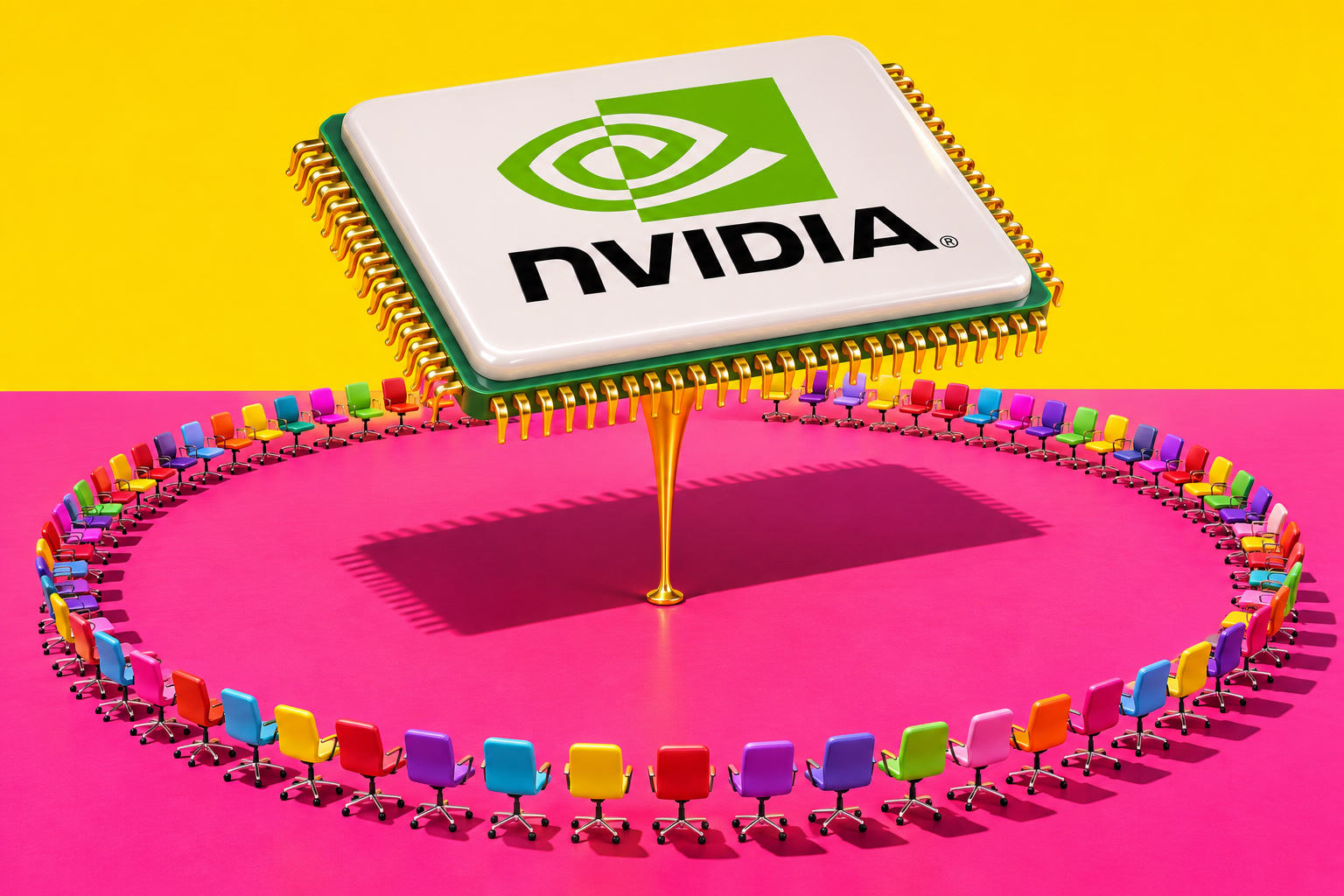
YouTube's $20 payout is an admission, not a gift
YouTube just made it easier to withdraw your creator earnings — by shrinking the threshold from $100 to $20. That's not generosity. That's an admission about who was never reaching it.

The payout got smaller, and that's the whole story
YouTube is trialling a new minimum payout for selected creators in the US, India and Indonesia. The headline isn't that it's going up. It's that it's going down — from $100 to $20.
The platform is framing this as giving smaller channels earlier access to their own money. Which is true. It's also true that YouTube wouldn't need to lower the threshold unless a huge number of creators were never reaching the old one.
That's the quiet bit nobody on LinkedIn says out loud while posting about "building a brand." Most creators aren't sitting on a withheld fortune. They're sitting on a balance that, until this week, literally couldn't be withdrawn, because it never got past twenty quid.

The numbers behind the shrug
According to the Global Creator Economy Report 2026, 48.7% of creators earn under $10,000 a year. The median income is roughly $3,000. The average is $44,293.
Read those two numbers side by side. The median tells you what a typical creator actually makes. The average only looks respectable because a small number of people at the very top are earning enormous amounts, dragging the figure up for everyone else.
Data from CreatorIQ, reported by Digital Applied, puts a finer point on it: the top 1% of creators now take 21% of all payments industry-wide, up from 15% in 2023. The median campaign payment is $3,000. The average is $11,400. Same pattern, different dataset.
There is, to be fair, a genuine middle ground. The report also finds 45.6% of creators earn between $10,000 and $100,000 a year — described as the closest thing this industry has to a creator middle class. That's a real, sustainable outcome for a meaningful chunk of people. It's just not the outcome most people picture when they imagine "making it" online.
We've sold this dream before
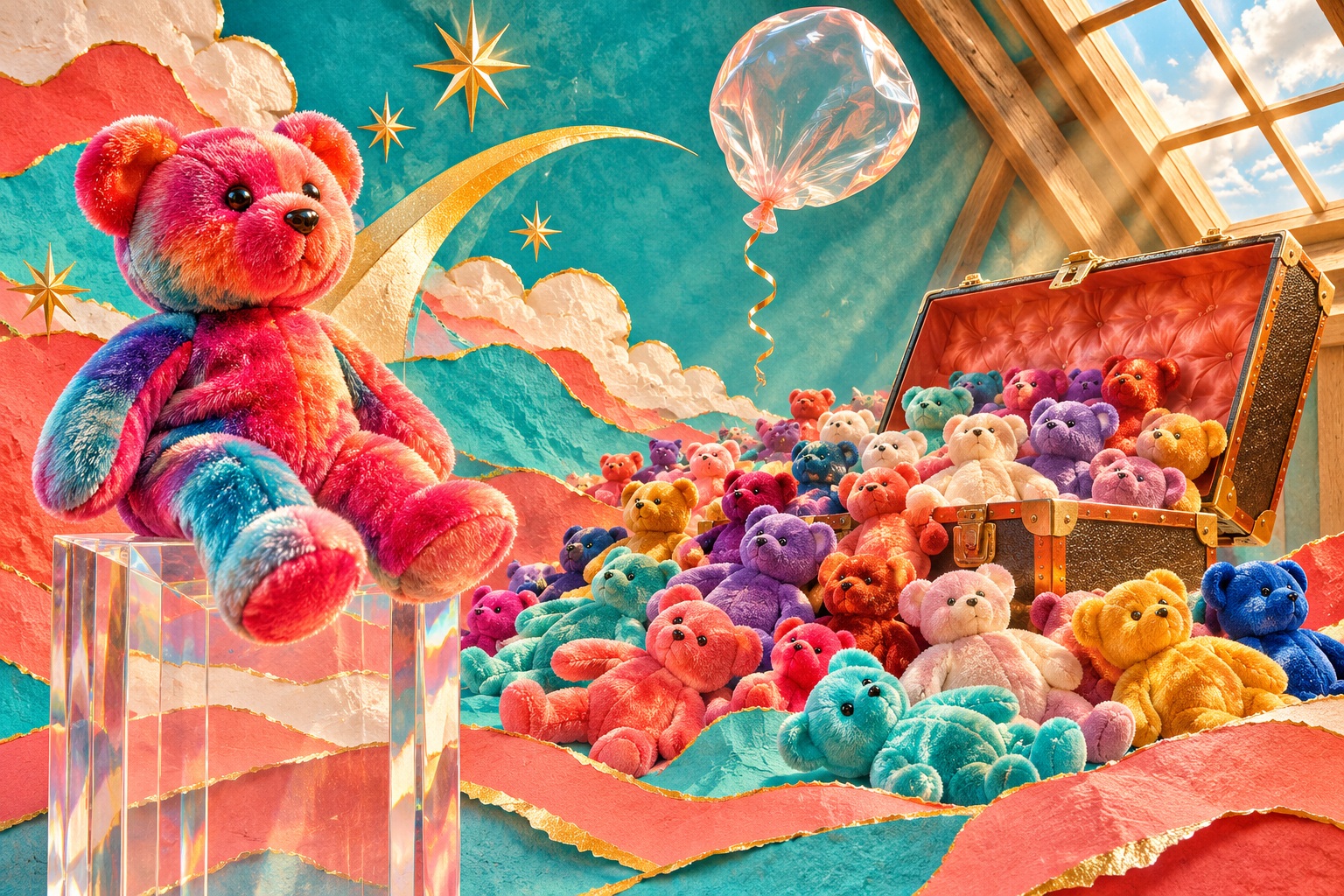
In the late 1990s, Beanie Babies were marketed as a guaranteed investment. Ordinary collectors genuinely believed retired bears would fund their retirement. A handful of people who bought early, understood the market and sold at the peak made real money. Everyone else ended up with a loft full of stuffed toys worth a fraction of what they'd paid.
The creator economy runs on the same mechanics. A small number of early, lucky or genuinely savvy operators cash in properly. The mass of hopeful participants are left holding something — a subscriber count instead of a bear — worth far less than the dream they were sold.
The difference is the creator economy doesn't need a crash to prove the point. The numbers already show it, every year, without anyone needing to open a box in the loft.

Who actually wins, and who's paying for it
The people doing well in this economy are mostly not the ones chasing ad revenue or platform payouts at all. They're running something that looks, structurally, like a small business: a product, a paid subscription, a niche audience that pays them directly rather than hoping an algorithm has a good month.
Instagram's Adam Mosseri has made a version of this point himself, noted in The Weekly Digest: platform payouts depend entirely on the platform's own economics, which is exactly why turning audience trust into direct income — memberships, subscriptions, your own product — holds up better than waiting for the next algorithm change.
Worth noting too: when a platform announces it's "paid out $300 million to creators," as Fanfix did in June 2026 according to Pulse2, that figure is the company's own claim, not an independently audited number. Milestones announced by the people selling the dream deserve the same scrutiny as any other sales pitch.

Three things worth doing, whichever side of this you're on
- If you're creating content: treat platform income as a bonus, not a business plan. If one algorithm change could wipe your earnings overnight, you don't have a business yet, you have a hobby with good weeks.
- If you're running a side hustle or small business: build something you own outright — a product, an email list, a membership — so your income doesn't depend on someone else's payout threshold or platform mood.
- If you're just watching from the outside: whenever you see a headline earnings figure, ask for the typical one too. The average and the median rarely tell the same story, and the gap between them is usually where the real answer lives.
None of this requires anyone to quit a job, invest in anything or chase a number a platform is happy to move whenever it suits them. It just requires looking at the typical result before the best-case one, and building whatever you're building on ground you actually own.
If you're trying to work out which parts of your business depend too heavily on someone else's platform, payout rules or algorithm, Anchor Lotus Consulting is an AI implementation and business improvement consultancy for organisations of every size and sector.